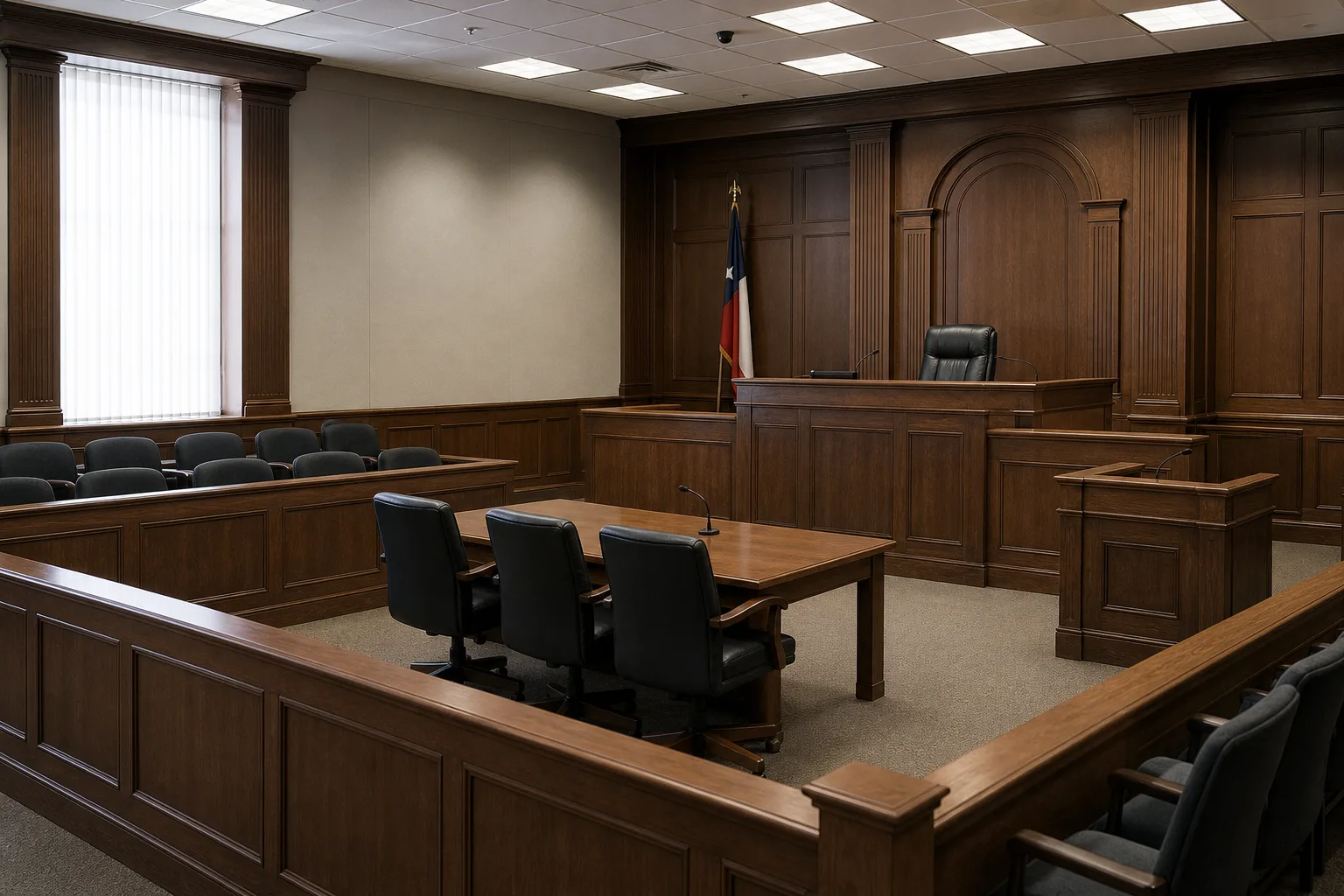
Four consultations about the same arrest will produce four confident lawyers, and confidence tells you almost nothing, because it is the baseline condition of the job. Anyone who takes criminal cases for a living has learned to sound calm about a felony indictment, and a person who sounded uncertain in a first meeting would not stay in business long. So the question is not which one seemed most assured. The question is which claims can be checked against something outside the room, and which ones evaporate the moment you try to verify them.
1. Board certification in criminal law, checked, not assumed
The Texas Board of Legal Specialization certifies attorneys in criminal law, and certification requires substantial trial experience, peer review, and a written exam, then periodic recertification. It is verifiable in a public directory, which is the point. Plenty of excellent criminal lawyers are not certified, so the absence of it proves nothing. What matters is the difference between a lawyer who says the words and a lawyer whose name appears in the listing. Ask directly, then look it up that evening. If someone implied certification they do not hold, you have learned more than any answer could tell you.
2. How often this lawyer stands in that particular court
Criminal practice is local in a way that surprises people. The same charge moves differently in Harris County than in a rural district court three hours away, because the prosecutors, the standing orders, the docket rhythm, and the judge's habits on continuances and pretrial motions are all different. Ask how many times the lawyer has appeared before that specific judge in the past year, and whether they know the assistant district attorney handling the court. A useful answer names people and describes practices. A weak answer talks about experience across the state without ever landing on your courthouse.
3. Whether the person across the table appears at your setting
In firms of any size, the lawyer who conducts the consultation is sometimes not the lawyer who stands beside you at the next docket call, and that is not automatically a problem, since associates and second chairs handle resets competently every day. It becomes a problem when nobody says so until the morning of your appearance. Ask by name who will appear at each stage: the arraignment, the pretrial settings, the plea, and a trial if it goes that far. Get the answer written into the fee agreement. The Federal Trade Commission oversees how consumer services are represented to buyers, and the same instinct applies here: what was described should match what is delivered.
4. A specific answer about your charge, not general reassurance
This is the check that separates consultations more sharply than any credential. Say your charge out loud with its degree and its enhancement, if there is one, and then listen to whether the answer engages with the elements the state has to prove. A specific answer discusses the offense level, the punishment range, whether probation is available given your history, what the lab report timeline usually looks like, and which fact in the police report is the vulnerable one. General reassurance sounds like this: cases like yours usually work out, and the prosecutors here are reasonable. Both are delivered with equal confidence.
5. What happens next, described in dates and filings
Ask what the lawyer will do in the first thirty days, and see whether the answer contains actions with names. Filing a discovery request under the applicable Texas statute, contacting the prosecutor before the first setting, requesting the body camera footage, filing a motion for bond reduction, obtaining the 911 recording before it is purged: these are checkable events with dates attached. A lawyer who describes the first month as monitoring the case has told you nothing you can hold them to later. Write down what you are told, because in six weeks you will want to compare it against what happened.
Take notes in each consultation, and take them in the same order every time, so the four sets of notes sit side by side and can be read against each other. The differences between them will show up in the specifics, in whether a name was given, in whether a court was described, in whether your charge was discussed as your charge rather than as a category. That comparison is the actual work of choosing, and it costs nothing but an evening.